ADOΧΑ
ADOΧΑ (Doxycycline) are 100mg 3×10 Tablets. The active ingredient of Adoxa tablets is Doxycycline (Hyclate) USP. The medicine belongs to the semi-synthetic broad-spectrum tetracycline group of antibiotics and is active against both gram-positive and gram-negative bacteria.
Package Contains: Each pack of ADOΧΑ tablets contains a blister pack of 3×10 (30) tablets of 100mg, along with a leaflet.
Composition: Each film-coated tablet contains: 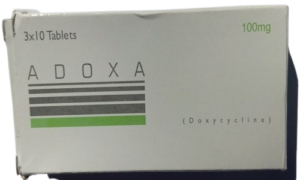
Doxycycline (hyclate) USP 100mg
Mfg. Specs. USP.
Dosage: Adults, for a specific Purpose, not for general use or as directed by the physician. For further information, read the enclosed leaflet.
Uses: ADOΧΑ tablets are an antibiotic & used to treat a wide range of bacterial infections. It is used for severe Infections (particularly chronic infection of the urinary tract). It reduces the risk of esophageal irritation or ulceration.
Dosage & Administration: If gastric irritation occurs, Doxycycline may be given with food.
For adults: Take Adoxa, two tablets on the first day of treatment (administer 100mg every 12 hours) followed by a maintenance dose of 100mg/day, that is one tablet of Adoxa once daily. In more severe Infections (particularly chronic infection of the urinary tract), 100mg every 12 hours is recommended.
For children: The recommended dosage schedules for children are 4mg/kg of body weight divided into two doses on the first day of treatment, followed by 2mg/kg of body weight once a day. For more severe infections, the dosage up to 4mg/kg is recommended.
Administration of adequate amounts of fluid along with capsule and tablet forms of the drug in Tetracycline is recommended to wash down the drug and reduce the risk of esophageal irritation or ulceration. If gastric irritation occurs, Doxycycline may be given with food.
Drug/Laboratory Test Interaction: False elevation of urinary catecholamine levels may occur due to interference with the fluorescence test.
Side Effects: Due to oral Doxycycline’s virtually complete absorption, side effects to the lower bowel, particularly diarrhea, have been infrequent. The following adverse reactions have been observed in patients receiving tetracyclines:
Gastrointestinal: Anorexia, nausea, vomiting. Disphagia, enterocolitis, and inflammatory lesions (with monillal overgrowth) in the anorectal region. These reactions have been caused by both the oral and parenteral administration of tetracycline.
Skin: Maculopapular and erythematous rash. Exfoliative dermatitis has been reported but is uncommon.
Renal Toxicity: Rise in BUN has been reported and is apparently dose-related. When given over prolonged periods. Tetralycines have been reported to produce brown-black microscopic discoloration of the thyroid gland. No abnormalities of thyroid function are known to occur.
Precautions: As with other antibiotic preparations. Use of this drug may result in overgrowth of non-susceptible organisms, including fungi. If superinfection occurs, the antibiotic should be discontinued and appropriate therapy instituted. Bulging fontanelles in infants and benign intracranial hypertension in adults have been reported in individuals receiving Tetracycline. These conditions disappeared when the drug was discontinued. Incision and drainage or other surgical procedures should be performed in conjunction with antibiotic therapy when indicated.
Pregnancy & Lactation: Results of animal studies indicate that Tetracyclines cross the placenta, are found in fetal tissue, and can have toxic effects on the developing fetus (often related to retardation of skeletal development). Evidence of embryo toxicity has been noted in animals treated early in pregnancy. If any Tetracycline is used during pregnancy or if the patient becomes pregnant while taking these drugs, the patient should be apprised of the potential hazards to the fetus.
The effect of medicine in labor and delivery is unknown. It is also present in the milk of lactating women who are taking a drug in this class. Because of the potential for serious adverse reactions in nursing infants from Tetracycline, a decision should be made whether to discontinue nursing. or discontinue the drug, taking into account the importance of the drug to the mother.
Caution: Keep out of the reach of children. Store in a cool and dry place. Keep medicine below 25 °C.
Manufactured & Buy Online: 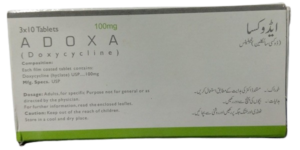
ADOΧΑ tablets are manufactured by: Mass Pharma (Pvt) Ltd.
This is the link to the manufacturer: https://masspharma
Buy Online: https://www.dvago.pk
You can also buy it at any nearby pharmacy.
By: Urooj